Source Expansion Coolant Header Tank for Racing, Repair, and OEM
Find and compare 30 expansion coolant header tank options from global suppliers. Evaluate materials like aluminum alloy, specifications such as OEM numbers, and applications for automotive cooling systems to select the right component for your needs.
Key considerations
Products List
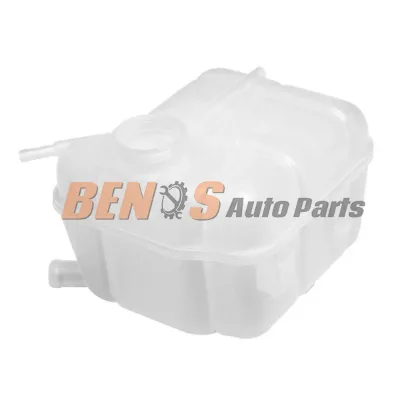
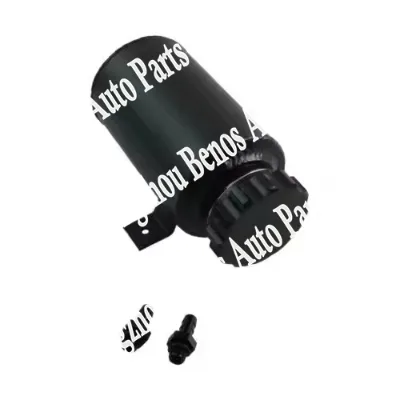
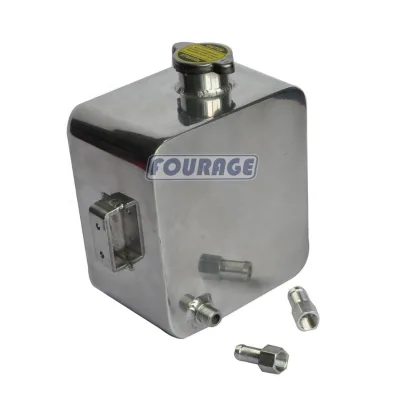
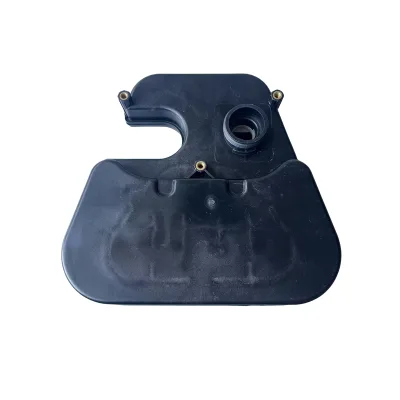






Comprehensive Sourcing Guide
Expansion Coolant Header Tank Sourcing Guide
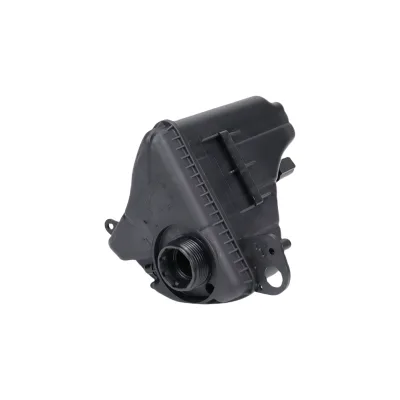
Procuring an expansion coolant header tank requires a precise understanding of the component’s dual role in maintaining system pressure and managing thermal expansion. These tanks serve as critical reservoirs within automotive cooling systems, accommodating the volume changes of coolant as it heats and cools during engine operation. Buyers must distinguish between generic replacement units and specialized high-performance variants, as the latter often involve complex materials like aluminum alloys and specific structural designs to meet rigorous thermal and mechanical demands. The sourcing process begins with identifying the exact application, whether for standard passenger vehicles or high-end sports cars, as this dictates the necessary material properties, connection interfaces, and pressure ratings.
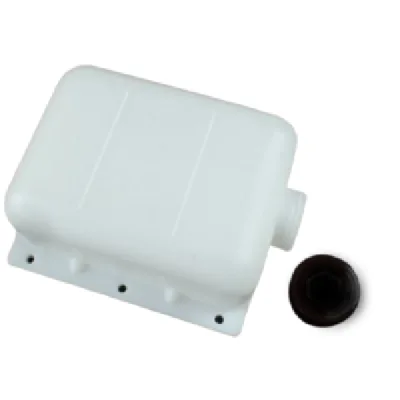
The market for these components is diverse, ranging from basic plastic reservoirs to lightweight, anodized aluminum header tanks designed for track use or high-output engines. Observations from current listings indicate a wide spectrum of product attributes, including variations in body material, color finishes, and customization options. Buyers should approach this category with a clear specification sheet, noting that "expansion tank" and "header tank" are often used interchangeably but may imply different structural integrities. Understanding these nuances is essential for aligning supplier offerings with the specific engineering requirements of the target vehicle platform, ensuring that the purchased component integrates seamlessly with the existing fuel and cooling systems.
Product Scope and Observed Listing Signals
Current market data reveals a significant variance in product specifications, highlighting the importance of verifying material composition and intended application. Listings show products constructed from both plastic and lightweight aluminum alloy, with some units featuring a body material explicitly identified as aluminum. This material distinction is critical, as aluminum tanks often offer superior heat dissipation and weight reduction, making them suitable for high-performance applications, whereas plastic tanks are typically used for standard cooling system reservoirs. Buyers must carefully review the "Body material" and "Material" fields to ensure the selected tank meets the thermal and structural requirements of their specific engine bay, avoiding mismatches that could lead to premature failure or inadequate performance.
The observed product range also includes specific model numbers and OEM references, such as TANK002 and 13LA002CP, which serve as key identifiers for compatibility. Some listings are tailored for specific high-performance car models, including the 540C, 570S, 570GT, and 600LT, indicating a niche market for specialized header tanks. Additionally, attributes such as "Natural, Sand Blast, Polished or Black Anodized" colors suggest that aesthetic customization is available for certain aluminum variants, which may be relevant for show vehicles or custom builds. Buyers should treat these observed attributes as indicators of available options rather than universal features, verifying each specification against their technical requirements before proceeding with procurement.
Technical Specifications to Verify
When evaluating technical specifications, the single package size and gross weight are essential logistical factors that impact shipping costs and handling requirements. Observed data indicates package dimensions ranging from 40x30x30 cm to 50x50x30 cm, with gross weights varying between 2.500 kg and 3.000 kg. These variations reflect differences in tank capacity, material thickness, and packaging methods, such as the use of wooden cases for more fragile or high-value aluminum units. Buyers must calculate the total landed cost by factoring in these dimensional weights, as oversized packaging can significantly increase freight expenses, especially when ordering in bulk quantities.
The structural design and radiator type are also critical technical parameters that influence system compatibility. Some listings specify an "Open Type" structure and "Direct-flow" radiator type, which may indicate a specific integration method with the cooling system. Additionally, the presence of a "Water Temperature Sensor Type: Switch Type" suggests that some tanks come equipped with integrated sensors, eliminating the need for separate installation. Buyers should verify whether the tank includes necessary fittings, such as inlet and outlet ports, and whether the "OE Stand" size matches their vehicle’s existing connections. Confirming these details prevents costly modifications and ensures a direct fit for the intended application.
Compliance and Safety Documentation
Compliance and safety documentation are vital for ensuring that the purchased expansion tanks meet regional regulatory standards and industry quality benchmarks. While some listings mention certifications such as ISO, buyers must verify the specific scope and validity of these certifications, as they may not cover all aspects of the product’s performance or material safety. It is crucial to request copies of relevant test reports or compliance certificates from the supplier, particularly for aluminum tanks used in high-pressure or high-temperature environments. These documents provide evidence that the product has undergone rigorous testing for durability, leak resistance, and thermal stability.
In addition to formal certifications, buyers should inquire about the supplier’s quality management processes and warranty terms. Observed listings indicate a "12 Months" warranty for certain products, which serves as a baseline for supplier confidence in their manufacturing quality. However, buyers should not rely solely on warranty periods as a proxy for quality; instead, they should assess the supplier’s track record and their ability to provide replacement parts or technical support in the event of a defect. Understanding the warranty conditions, including what constitutes valid claims and the process for returns, is essential for mitigating risk and ensuring long-term reliability of the purchased components.
Cost Drivers and Commercial Terms
Cost drivers for expansion coolant header tanks are influenced by material choice, customization options, and order volume. Aluminum alloy tanks, particularly those with anodized finishes or custom branding, typically command higher prices than standard plastic units due to the more complex manufacturing processes involved. The observed price range of 4-5899 USD reflects this disparity, with basic plastic reservoirs at the lower end and specialized, high-performance aluminum header tanks at the higher end. Buyers should align their budget with the performance requirements of their application, recognizing that premium materials and finishes often correlate with enhanced durability and aesthetic appeal.
Commercial terms, including minimum order quantities (MOQ) and delivery times, also play a significant role in the total cost of ownership. Listings show MOQs ranging from 1 piece to 50 pieces, offering flexibility for both small-scale repairs and larger procurement projects. Delivery times are observed to be around 3 weeks, which buyers must factor into their inventory planning to avoid production delays. Additionally, the availability of customization services, such as private labeling or specific color finishes, may incur additional costs and extend lead times. Buyers should negotiate clear terms regarding pricing tiers, payment methods, and shipping responsibilities to ensure a transparent and predictable procurement process.
Supplier Qualification and Quality Control
Supplier qualification is a critical step in ensuring the reliability and consistency of the purchased expansion tanks. Buyers should prioritize suppliers with a proven track record in automotive component manufacturing, particularly those with experience in producing aluminum alloy parts. The observed "Place of Origin" data indicates suppliers from both Guangdong, China, and England, suggesting a global supply chain with varying manufacturing standards. Buyers should conduct due diligence on the supplier’s production capabilities, including their quality control processes, testing facilities, and ability to maintain consistent product specifications across batches.
Quality control measures should be explicitly defined in the purchase agreement, including requirements for pre-shipment inspections and sample approvals. Buyers should request detailed product specifications, including material certificates and dimensional tolerances, to verify that the delivered tanks meet their technical requirements. Additionally, establishing a clear communication channel for addressing quality issues is essential for maintaining a productive supplier relationship. By implementing robust quality control protocols, buyers can minimize the risk of receiving defective products and ensure that their procurement efforts contribute to the overall reliability of their vehicle platforms.
Long-Term Procurement Checks
Long-term procurement success depends on establishing a sustainable supply chain that can adapt to changing market conditions and product requirements. Buyers should regularly review supplier performance metrics, including on-time delivery rates, product quality consistency, and responsiveness to technical inquiries. This ongoing evaluation helps identify potential risks and opportunities for improvement, allowing buyers to make informed decisions about supplier relationships and contract renewals. Additionally, staying informed about industry trends and technological advancements in cooling system design can help buyers anticipate future needs and adjust their sourcing strategies accordingly.
It is also important to maintain a diversified supplier base to mitigate the risk of supply chain disruptions. By engaging with multiple suppliers across different regions, buyers can ensure continuity of supply and leverage competitive pricing. Regularly updating product specifications and requirements based on feedback from engineering and maintenance teams ensures that the sourced components remain aligned with operational needs. By adopting a proactive and strategic approach to procurement, buyers can secure a reliable supply of high-quality expansion coolant header tanks that support the long-term performance and reliability of their automotive applications.
FAQs
What materials are used for expansion coolant header tanks?
These tanks are typically constructed from lightweight aluminum alloy or plastic. Aluminum variants often feature natural, sand-blasted, polished, or black anodized finishes. Plastic options provide durable alternatives for specific automotive cooling system applications, ensuring compatibility with various vehicle models and performance requirements.
Can I customize the expansion coolant header tank specifications?
Yes, customization is available for many models. Buyers can request specific sizes, colors, or branding options like Fourage or McLaren. Customization allows for tailored solutions that meet unique engineering needs, ensuring the component fits precisely within the intended automotive cooling or fuel system architecture.
What is the typical lead time for these tanks?
Standard delivery time is approximately three weeks. This timeframe applies to most new condition units. Buyers should confirm specific lead times with suppliers, as production schedules and shipping logistics may vary based on order volume and the specific origin location of the manufacturer.
Which car models are compatible with these header tanks?
Specific models include McLaren 540C, 570S, 570GT, and 600LT. Other units are designed for general automotive petrol fuel systems or cooling systems. Compatibility depends on the OEM number, such as 13LA002CP, so verifying the exact vehicle model against the product specification is essential.
What certifications do these tanks hold?
Certifications may include ISO standards and TSCold Style water-cooled compliance. These certifications ensure the product meets specific quality and performance benchmarks. Buyers should verify the exact certification documents provided by the supplier to ensure compliance with their regional automotive industry regulations and safety standards.
What is the minimum order quantity for these tanks?
MOQs range from 1 piece to 50 pieces depending on the supplier. Some vendors offer low MOQs for testing or small repairs, while others require higher volumes. Buyers should check the specific listing details to determine the exact MOQ required for their procurement needs.